
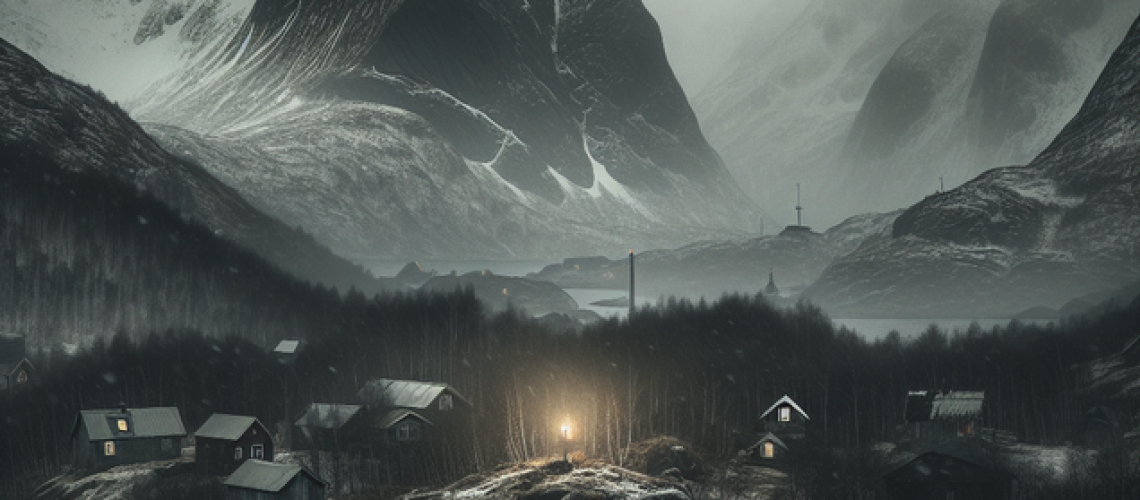
It began in the eerie quiet of a northern British Columbia town most outside of Canada hadn’t heard of — Tumbler Ridge — a former mining settlement turned reluctant backdrop to a tragedy that’s both chillingly local and globally familiar. The shooter, who fatally gunned down three people before killing himself, left behind not only victims and grief, but also a trail of red flags: isolation, radicalization, a disturbing online game simulating a mall massacre. Alberta and B.C. authorities are scrambling to make sense of it — yet for those of us watching these incidents repeat across continents, the contours are heartbreakingly routine.
The cracks showed well before the bullets. According to people close to the investigation, the man behind the shooting had bounced between rural towns, suffered from untreated mental health issues, and — crucially — fell through the Swiss cheese gaps of Canada’s fractured mental health system. “He should never have been anonymous to us,” said one frontline mental health worker I spoke with off-record. It’s a sentiment echoed in Nairobi, São Paulo, and Marseille: state health infrastructures are too often built to manage crises reactively, not prevent tragedy proactively. Canada is far from exceptional in this regard.
What makes this case especially alarming, and tragically common, is the shooter’s digital trail. Experts estimate he spent thousands of hours in gaming forums and fringe platforms where misogynist ideologies, incel fantasies, and white supremacist dog whistles fester. A violent simulation game he developed — eerily similar to his real-life act — is now being investigated as both warning and artifact. “These aren’t just grotesque hobbies,” says Fareeda Malik, an analyst with the Digital Extremism Watch Network. “They’re blueprints. The gamification of violence is how ideologies get rehearsed before they’re enacted.”
Simulation games, ironically, simulate more than violence — they reflect a world increasingly unfeeling to it. And for a generation raised in algorithmic echo chambers, it’s harder to distinguish irony from incitement. The shooter, like his global counterparts in Uvalde, Halle, and Christchurch, didn’t ‘snap’ — he planned. Often, with a script co-authored by digital communities that reward rage with recognition. In a media landscape hooked on ‘lone wolf’ narratives, we must ask: who’s feeding the wolves?
While vigils light up snowy streets and leaders offer the usual cycle of thoughts-before-action, prevention experts call (again) for systemic shifts. More community intervention programs. More transnational monitoring of radicalizing spaces online. And yes, more investment in mental health as a matter of public safety, not charity. Because whether in small towns in B.C. or megacities across the Global South, this much is clear: violence may be local — but its roots, and its reproduction, are overwhelmingly planetary.