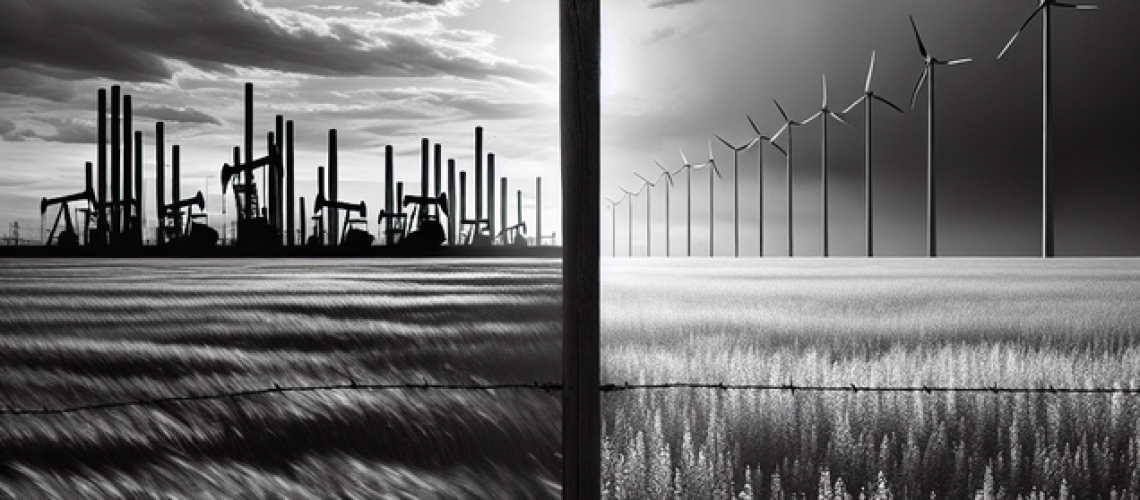

On the windblown prairies of Alberta, a curious vision flutters through the conservative imagination: a breakaway republic, free from Ottawa and dripping in crude oil-fed sovereignty. Dubbed ‘Wexit’ by its online agitators, this fantasy paints a homeland of unbridled capitalism and homegrown governance. But scratch the surface of rhetoric and you’ll find something far less coherent than a tenable roadmap to democracy—more Brexit than bold experiment. Behind the calls for ‘freedom’ is a cocktail of populist resentment and ideologically rigid libertarianism that promises less participatory democracy, not more.
Internationally, cautionary tales abound. Look to Catalonia, where aspirations of self-rule met heavy-handed state response and internal divisions that left civil society fragmented. Or examine Brexit, where slogans about sovereignty became Trojan horses for deregulation and xenophobia. Alberta’s separatist whisper echoes these same flawed impulses: misplaced disillusionment, a bait-and-switch of populist rhetoric over meaningful democratic solutions. In these movements, it’s rarely the everyday citizen who benefits; instead, elites repurpose local grievances to seize power—or privatize it altogether.
The separatist rhetoric cloaks itself in talk of liberty, yet the vision is painted in stark conservative colors: weakened government oversight, stripped-down public services, and constitutionally enshrined property over people. It’s the political equivalent of a tech bro promising to ‘disrupt’ democracy. The Wildrose Independence outfits and Maverick Party sympathizers aren’t launching a grassroots reinvention; they’re incubating a libertarian oligopoly in a cowboy hat. And let’s not forget, their vision conveniently omits land acknowledgments or Indigenous sovereignty—two inconvenient truths on Alberta’s map.
But the prairie wind carries resistance, too. Across towns and cities, a quiet chorus pushes back—activists, artists, union leaders, Indigenous communities—insisting that democracy isn’t something you hoard; it’s something you grow, with others. Groups like Spring Magazine and Alberta Workers for a Just Transition are foregrounding climate justice, reconciliation, and inclusive governance. Democracy, they argue, doesn’t require redrawing borders—it requires redistributing power. And in a province where oil wealth hasn’t translated into equality, it’s a point well made.
In an increasingly interconnected world, regional fantasies of detachment often mask deeper fears of pluralism. Alberta’s dream of breaking free may serve up spicy culture war clicks, but it risks replicating the same systemic failures its boosters claim to reject. If they succeed in separating, they’ll quickly learn: escaping Ottawa doesn’t mean escaping neoliberalism—or authoritarianism. And for those of us watching from the Global South, the message is familiar—inequality crosses borders, and so must our solidarities.