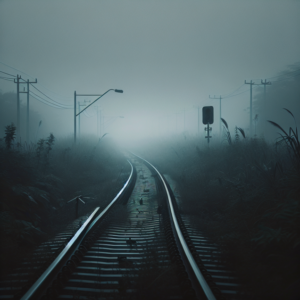
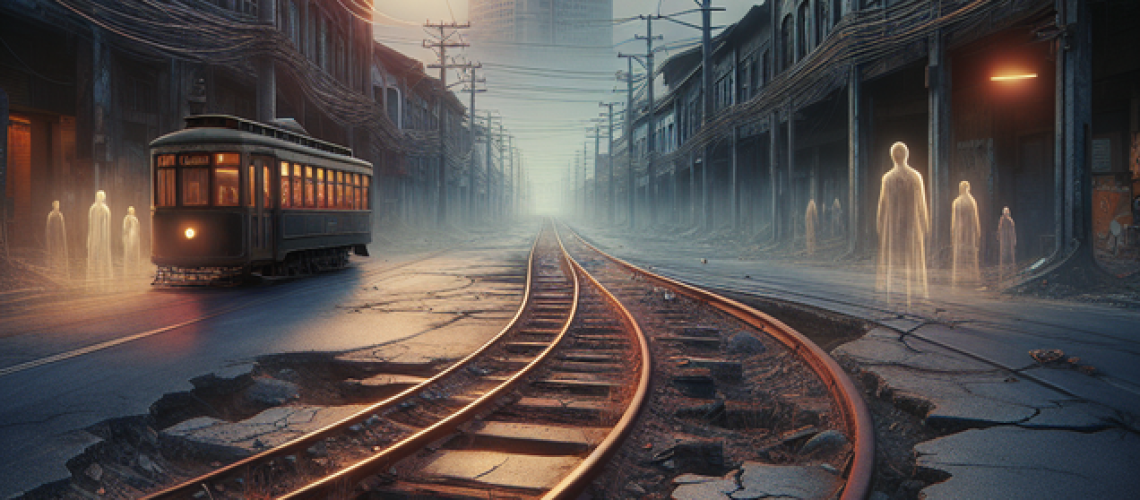

Toronto has missed the streetcar again. What was supposed to be a bold upgrade to the east-west transit corridor—shuttling fans to the 2026 World Cup—has become another delayed dream derailed by decades of austerity and privatization. The plan to speed up streetcar service on King and Queen wasn’t just about game day optics; it was a rare chance to build transit justice. Instead, worn rails and broken promises now frame the city’s so-called “world-class” ambitions.
The city blames construction delays and rising costs. But that story hides the real culprits: systemic underfunding, botched planning, and the ever-growing reach of private profit into public veins. For years, Toronto Transit Commission (TTC) projects have been starved while developers feast. Shoved into partnerships with corporate giants, the TTC now functions more like a business serving investors than a human system serving people. We’ve let bureaucrats and banks hijack the wheels.
Who suffers when tracks are torn up, routes cut, and service slashed? Not developers. Not city councillors with chauffeurs and parking perks. It’s workers crammed into late buses, low-income riders stuck miles from jobs and healthcare, students late to class, seniors stranded. Toronto’s poorest riders pay the highest price—for being forced into a system built to fail them. Transit delays don’t just steal time; they steal dignity.
This is the capitalist vision of transit: unreliable, expensive, and exclusionary. Mobility, turned commodity. Efficiency, promised but never delivered. Meanwhile, grassroots voices demand the opposite: fare-free rides, green and accessible fleets, community-owned routes. Groups like TTCriders, Free Transit Toronto, and climate justice youth aren’t asking for smoother commutes. They’re fighting for the right to move, to exist, to connect.
It’s time to reclaim our rails. Not just patch the tracks but rip up the system that cracked them. Public transit must be public—funded massively, planned democratically, and run by and for people, not profit. The 2026 World Cup spotlight has shown us the corruption in the steel and concrete. Now we light the torches of resistance. Because broken transit breaks communities—and it’s on us to rebuild from below.