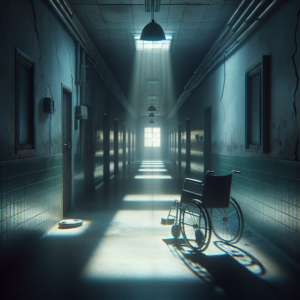


The flooding of the Douglas Mental Health University Institute is a stark symptom of a deeper sickness in our public finances: the chronic, systemic underfunding of hospital infrastructure. For years, health authorities have flagged dilapidated facilities, outdated systems, and deteriorating structural safety. Yet, the investment needed to address these issues has lagged behind both inflation and population needs. In 2023 alone, Quebec reported over $23 billion in deferred hospital infrastructure maintenance—an amount growing faster than general revenue. Pretending this decay is a maintenance issue ignores the truth: this is a fiscal policy failure masquerading as prudence.
What makes the Douglas flooding so damning isn’t just the dangerous interruption of specialized care, but the ripple effects on Alzheimer’s and mental health research hosted within its aging walls. Projects years in the making now face serious delays, threatening not just individual patients, but collective scientific progress. This is not an isolated incident—it’s the inevitable byproduct of treating public investment in health infrastructure as optional while balancing budgets elsewhere. The human cost of such delay is hard to quantify, but the economic cost isn’t: studies estimate emergency infrastructure repairs can be up to five times more expensive than planned capital investment.
Part of the problem is political: investments in crumbling hospital infrastructure don’t score quick electoral wins. At the federal level, budget surpluses and targeted tax cuts are lauded as fiscal discipline, even as provinces scramble for infrastructure funding. GDP remains our dominant metric of national health, but it obscures foundational weaknesses in the systems that directly affect our quality of life. Hospital roofs don’t leak because we spent too much—they leak because we spent too little, too late, on the wrong priorities. This is austerity by attrition, and it structurally undermines our capacity to deliver timely, quality care.
It also erodes our labour markets, particularly in health care. Nurses, technicians, and researchers are asked to maintain professional standards in facilities that are often physically unsafe, under-equipped, and demoralizing. Recruitment and retention suffer—especially in mental health sectors already facing worker burnout and increased demand. Every flooded lab or closed unit signals to young professionals that our public commitments are negotiable, and that fiscal restraint trumps safe working conditions. Economists agree: underinvestment in infrastructure saps productivity and increases economic drag over time. Health care is no exception.
If we hope to avoid more disasters like the one at Douglas, we need to shift the policy paradigm: from reactive crisis management to proactive, sustained public investment. That begins with recognizing infrastructure spending not as cost, but as capital—an enabler of research, equity, and care. Adjusted for aging populations and inflation, we’re spending less than ever on the public goods that define our lives. It’s not that we can’t afford to fix hospitals—it’s that we’ve chosen not to. The real budgetary time bomb isn’t the deficit; it’s deferral.