
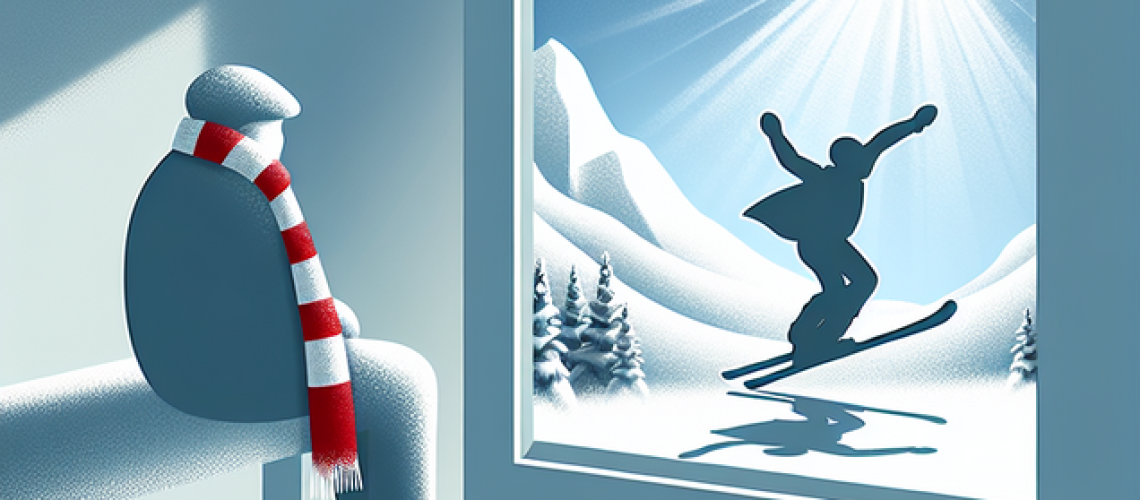

In a cozy common room atop Calgary’s Elbow Heights Care Centre, the hush before Nicole Maurer’s ski jump was sacred. Surrounded by Olympic bunting taped lovingly to the walls and a table of maple-frosted cupcakes, thirty seniors—many wrapped in red-and-white scarves—held their breath. When the young Calgarian launched into the air on international television, a wave of cheers erupted, filling the room with more than patriotism: it was belonging, memory, and hope stitched together in one soaring moment.
“It’s like seeing your granddaughter fly,” said Marian Lavoie, 89, blinking through tears behind a knitted Canada toque. “We’ve seen wars and winters, but watching her—so strong, so fearless—it makes us feel part of something bigger again.” For many in long-term care, where days blur and isolation creeps in, the Olympics brought connection. Staff at Elbow Heights organized the watch party not just for entertainment but to combat what officials call the ‘loneliness epidemic’ among elders.
Sports, it turns out, is more than competition—it’s community medicine. Marilyn Cho, recreation coordinator at the facility, said events like these “bring light into dark corners.” She added, “We prepare for weeks, with crafts, trivia, stories about athletes. It sparks conversation—people remember their youth, their kids, their favourite games. They come alive.” For some seniors, especially those without nearby family, Maurer’s jump wasn’t a broadcast—it was a reunion.
The symbolic weight of a local girl representing the nation resonated deeply. “I wrote her name in big letters and taped it above my bed,” said George Tanaka, 91, a retired teacher who once cross-country skied with his students. “I may not leap anymore,” he chuckled, “but she jumped for us.” It’s this intergenerational spark that health policy often overlooks—how visibility and joy ripple into well-being. Against the backdrop of a system often criticized for warehousing rather than caring, joy stands out as an act of resistance.
As the event wound down, laughter lingered, bolstered by shared cocoa and shared pride. A photoshoot with handcrafted Olympic torches closed the morning, but Maurer’s legacy—backlit by winter sun and TV glow—endured. In a world that sidelines both its elders and its small-town athletes, the moment felt revolutionary. It reminded us that every leap, no matter how distant, can land right back home—bringing dignity, connection, and a reason to cheer.