
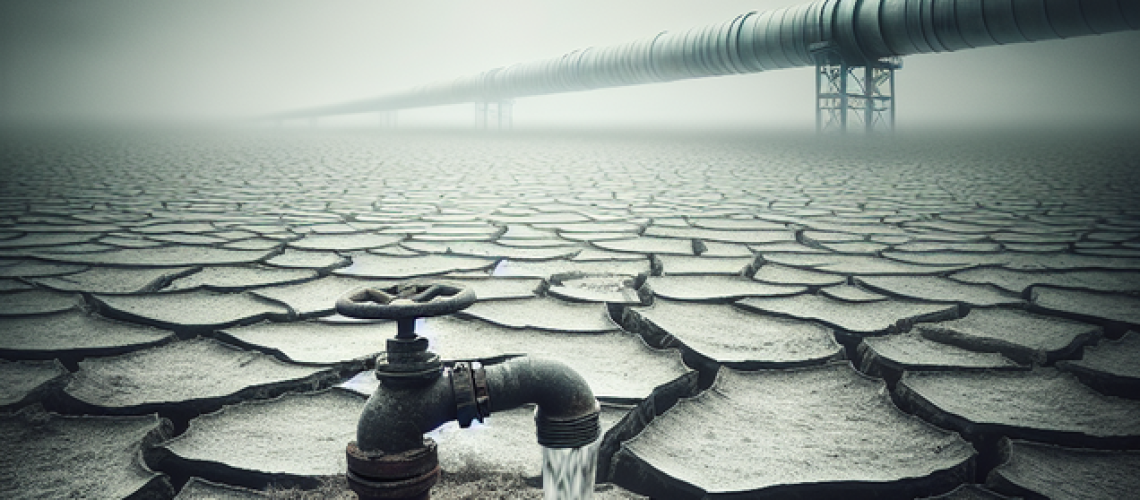

In Kashechewan, a remote First Nation on the western shores of James Bay, residents are once again falling sick from their tap water. Skin rashes, stomach illness, and bottled water dependency have become grotesquely routine. Meanwhile, not far down the proverbial pipe, Canada continues to invest billions into pipeline expansions — infrastructure built with surgical precision to move oil, not to deliver clean water to the very communities whose lands are being crossed. This is not mere neglect; it’s a structural prioritization of extraction over existence.
Let’s zoom out. In the Global South, water injustice also festers — but often in struggling economies shackled by debt or climate fallout. In contrast, Canada’s vast wealth and liberal self-image make this failure all the more damning. South Africa, for example, launched community-driven sanitation upgrades in Cape Town’s townships, with less money and more urgency. In Bolivia, indigenous-led councils manage Andean water sources. But in a G7 country? First Nations still boil water while watching fuel lines snake past their rivers. Who benefits from the so-called development, and whose thirst is treated as expendable?
This is coloniality 2.0, wrapped in eco-friendly rhetoric. While government envoys pose at COP summits with sustainability pledges, their domestic policies mirror the same extractive hierarchies of the past. Land is consulted for its resources, not its people. Environmental justice doesn’t trickle down — certainly not to communities like Kashechewan. The very concept of clean water has been marketized and politicized — turned into a commodity that some have a right to, while others must fight decades to access.
Yet the resistance is not quiet. Indigenous youth have been leading water walks across Turtle Island, reminding Canada — and the international community — that water is both a living relative and a human right. Alliances are forming with Māori water guardians, Mapuche land defenders, and Sahelian activists fighting desertification. This is not just local outrage, but a growing cross-border consciousness that knows: when the human right to water is denied in one place, the precedent ripples out globally.
Canada stands at a moral crossroads. If pipelines can be planned across provinces within years, surely water systems can be built with the same urgency. But this requires a tectonic shift — not just in funding, but in worldview. That water is sacred. That sovereignty includes sanitation. Until then, our pipes will flow slick with oil, while communities like Kashechewan continue to wait for what should have never been withheld: dignity in every drop.