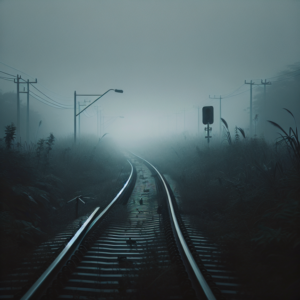
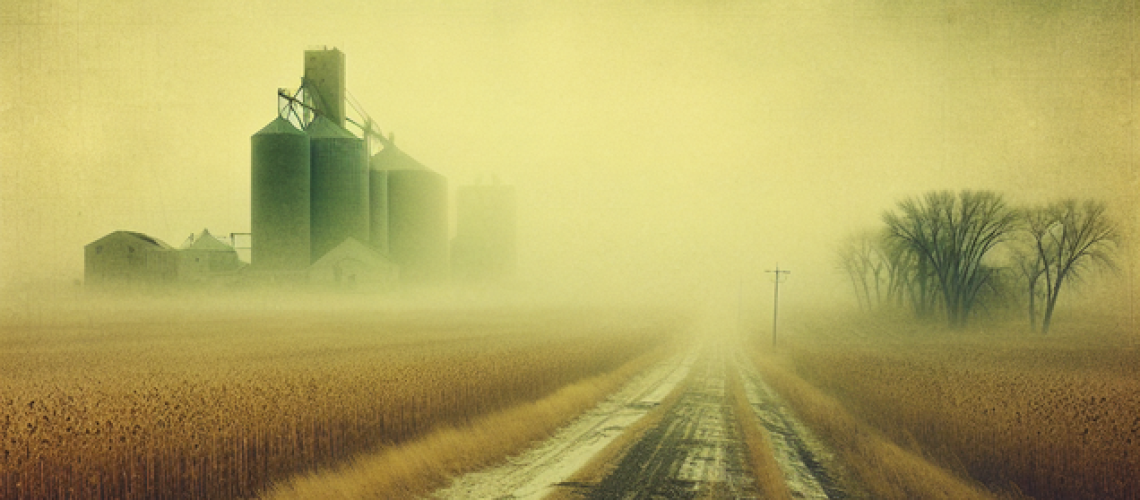

The yellow fog that blanketed Saskatchewan last week wasn’t just a weather anomaly—it was a warning. A sickly veil hung over farms, schoolyards, and small towns, thick with more than moisture. It was heavy with history, neglect, and creeping collapse. But while national media glanced and moved on, the Prairies coughed in quiet desperation. This isn’t the first fog, and it won’t be the last—these murky mornings are symptoms of a deeper fever, one stirred by decades of petro-capitalist greed and climate indifference.
“Out here, we see the sky change before anyone listens to us,” says Marleen Goodeagle, a 66-year-old Cree water protector near Prince Albert. “They talk transition from Ottawa—but where’s our just transition?” Saskatchewan, a province sitting on fossil giant shoulders, is burning and freezing and flooding all at once. Livelihoods depending on fragile crops and vanishing lakes hang by a thread as extreme weather pirouettes on the Plains. Yet green infrastructure dollars funnel into urban tech hubs, leaving rural folks exposed, unheard, unseen.
This is about more than fog or forecasts—this is policy-induced climate discrimination. When federal programs prioritize electric car rebates over rail for forgotten towns, when solar subsidies never touch reserve lands or tenant rooftops, we call that eco-elitism. Our so-called national climate plan treats rural regions like environmental afterthoughts, forgetting that justice means equity, not equality. The haze isn’t just in the air—it’s in the morality of those governing transition with blinders on.
Back in Regina, a youth activist collective called Prairie Pulse is organizing “Breath Ins”—silent fog vigils that merge mourning with mobilization. “If they don’t hear us speak, maybe they’ll hear our silence,” says 22-year-old co-founder Jamal D’Souza. Their signs say what the headlines don’t: ‘We Are Not Weather Events. We Are Warnings.’ Across farm roads and treaty lands, resistance is stirring. It’s quiet, stubborn, and fierce—like the people who have always survived out here with cracked hands and open hearts.
The yellow fog will lift, but the systems that caused it remain unless we dismantle them. We need a climate strategy that doesn’t just cater to shiny cities but listens to the lungs of the land—farmers, Indigenous land and water defenders, rural youth. Before another storm writes its story in smoke and silence, we must amplify these voices in the fog. Because if we let the Prairies disappear behind a wall of weather and willful ignorance, we all choke on the consequences.