
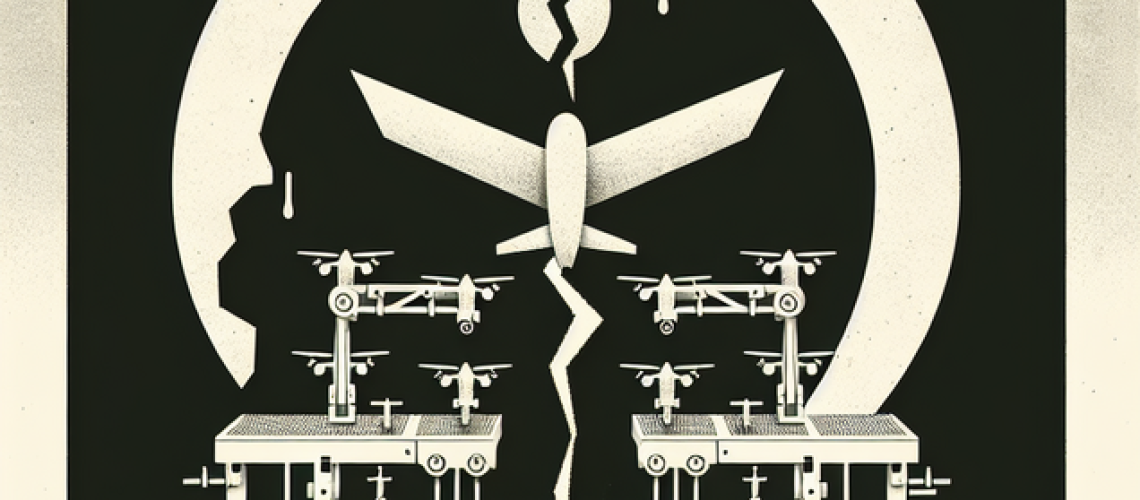

Canada wants the world to notice its new military ambitions — and the world is watching, albeit with raised eyebrows. The government’s recent pivot to aggressively boost defence spending and aid its arms industry, wrapped in the comforting rhetoric of jobs and global security, tells a bigger story about who gets protection and who gets left behind. With up to 125,000 jobs allegedly tied to defence, Ottawa is betting big on the military-industrial complex. But lost in the patriotic framing is an uncomfortable fact: while missiles get millions, medicine, education, and food aid in conflict zones get maintenance-mode leftovers. The Global South sees this clearly — and not for the first time.
This surge in pro-military policy mirrors broader trends among NATO allies, driven by wars in Ukraine and tensions in the Pacific. Yet the logic crumbles when you widen the lens. UNICEF warns that over 30 million children worldwide need emergency assistance, while Médecins Sans Frontières reports critical funding shortfalls from international donors in Sudan, Gaza, and the DRC. But instead of increasing humanitarian budgets, wealthy countries are greasing the wheels of warfare. It’s not just about morality — it’s about math. Canada’s $39 billion defence budget contrasts starkly with its meager international aid allocations, exposing a hierarchy of urgency where threats to Western interests override threats to human life elsewhere.
It’s also telling where the Canadian money is going. Domestic defence manufacturing is being championed as the new economic miracle, with companies like CAE, General Dynamics, and Lockheed Martin Canada positioned as engines of growth. This may create skilled work — but it also deepens dependency on an industry whose survival hinges on conflict. Arms don’t just sit in factories. They travel — and often land in wars where Canada claims neutrality. A quote from Oxfam Canada puts it bluntly: “Every dollar spent on bombs is one not spent rebuilding the lives of people we claim to support.” Solidarity here becomes selective, a mirror held up to a divided world order.
In places like Tunisia, Kenya, or Colombia — places I’ve reported from — civil society groups are desperate for not just funds but attention. Hospitals close, women lose access to care, and young people face unemployment in societies teetering on the edge. Meanwhile, weapon shipments pass freely through ports named after peace treaties. From both a humanitarian and diplomatic standpoint, Canada’s defence shift risks eroding what little credibility remains in its role as a ‘soft power’ mediator. It’s the continuation of a pattern where Western states brand themselves as peacebuilders while investing in machinery designed for perpetual war.
So what does it mean when Canada’s government prioritizes missiles over medicines? It tells us that the global arms economy is thriving, and that militarization is the real world language of political urgency. But it also stokes a growing cynicism in the Global South, where people recognize — and remember — who shows up with aid, and who shows up with arms. In a connected world, inequality is no longer an internal issue — it’s internationally orchestrated. And Canada, polite as its foreign policy may sound, is now playing louder notes in the symphony of systemic imbalance.