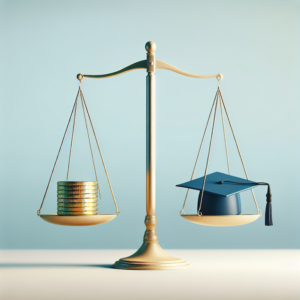


In Alberta, the ideological backlash against Diversity, Equity, and Inclusion (DEI) in universities has shifted from rhetoric to policy. Led by a provincial administration eager to defund what it calls “ideology over education,” academic institutions are under pressure to prove their neutrality — a euphemism, many argue, for conformity to majority norms. The result? A chilling effect rippling across faculty hiring, curriculum design, and student services, especially harming those from racialized, Indigenous, and LGBTQ+ communities. For scholars like Dr. Noor Awan, a queer migration studies lecturer recently let go amid departmental ‘restructuring,’ the message is clear: academic space is being reshaped for a narrower kind of excellence.
This Alberta-originated rollback is not an isolated event but part of a wider, reactionary current. From Ron DeSantis’ assaults on DEI programs in Florida, to the UK’s ongoing cuts to “woke” university budgets, there’s an international coordination — tacit or not — of right-wing rejection of inclusion. In each case, multiculturalism is framed as a threat rather than a societal strength. “This is a soft purge,” said Elmira Hassan, a sociology PhD student fighting to keep Indigenous studies requirements intact at her Calgary campus. “They don’t fire you for your identity; they restructure you into oblivion.”
What’s at stake is more than internal institutional politics — it’s Canada’s global academic standing. A country that once marketed itself as an aspirational mosaic now risks exporting intellectual provincialism. International students, particularly those from the Global South, are watching closely. “Why would I choose a school that might erase my identity along with my history?” asked Lucky Obeng, a Nigerian student activist at the University of Alberta. While Canadian universities compete for international enrollments, these episodes risk severing the very elements that made them attractive: progressive values, inclusive knowledge spaces, and community care.
DEI was never simply about hiring quotas or land acknowledgements. It was — and is — an attempt to correct centuries-long silencing of voices kept out of the academy. Its current dilution marks a retreat from reparative justice just as climate crisis, settler colonial legacies, and global migration demand more, not less, inclusive thinking. Across Alberta campuses, empty office doors where Black or Indigenous professors once mentored entire cohorts now stand as stubborn symbols: we were here, and now we’re not. The budget is the blunt instrument of ideology here, used not to foster intellectual rigor, but to redraw the lines of who gets to belong.
Some might dismiss this as local politics, but Alberta’s crusade against DEI fits neatly into a worldwide template where regressive leaders weaponize cultural panic to score points. To borrow from Frantz Fanon, when reactionary politics conspire against inclusive truth, it becomes not merely academic — it becomes existential. From Texas to Tunis, from London to Lethbridge, the struggle for equity in education continues. And like all movements of solidarity, it will not go quietly, even if some classrooms have been forced into silence.