
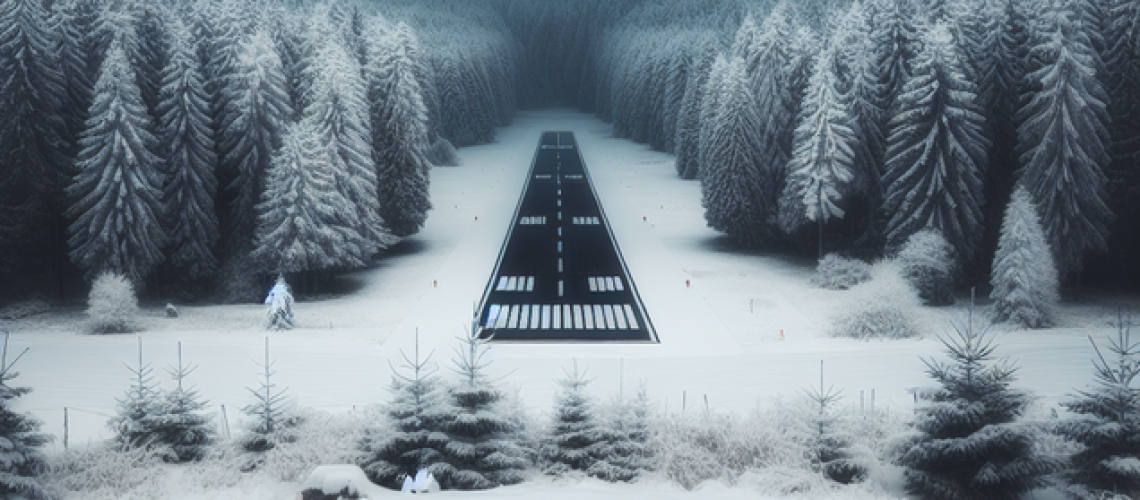

In Wapekeka, a Northern Ontario First Nation reachable only by air or long and perilous winter roads, Margaret Kakekayash sits quietly in a snowbound community hall, waiting for a call that may or may not come. Her son, diabetic and in dire need of a specialist thousands of kilometers away, was bumped from the last small plane due to weight limits. “We live and die by those flights,” she says. For Margaret, and for many other remote Indigenous communities, air travel isn’t a luxury—it’s a lifeline that’s becoming increasingly frayed.
Flights to Northern communities are often infrequent, delayed, or canceled outright due to aging airstrips, aging aircrafts, and aging attention from policymakers. People depend on these flights for medical appointments, groceries, schooling, and family connections. But when weather and infrastructure collide, it’s the community that hits the tarmac hardest. There are no highways or Plan Bs here. Just the sound of the wind over ice—and sometimes, silence overhead when an expected plane never arrives.
The roots of this crisis are not natural, but political. For decades, investment in Northern infrastructure has been piecemeal, reactive, and deeply insufficient. Meanwhile, private air carriers—who hold monopoly routes to many Indigenous areas—pad their profits without answering to the communities they “serve.” Prices soar, reliability plummets, and consequences fall. It’s geography coded by race and class: whose lives are considered too far, too few, too expensive to protect?
Now, as federal ministers prepare to meet this month to review safety regulations and funding models, community leaders are hoping the promises they’ve heard for years finally touch down. “We’re not asking for luxury,” says Joseph Sutherland, a band councillor from Kashechewan. “We’re asking for our parents to make it to dialysis. For our children to get to school safely.” For once, the people who live this issue every day want to be more than consulted—they want to be believed.
Geography has always shaped opportunity in this country, but for many Northern Indigenous families, it also decides survival. Their courage has been unshakable—but courage can’t substitute for infrastructure. And as Canada continues to wrestle with acts of reconciliation, maybe the simplest act would be to ensure that no elder waits endlessly for a medevac. That no mother watches the sky, hoping a flight arrives in time. Because safety, like access, should never depend on your postal code—or your people.